


House music gets a time-specific treatment when Can We Get Connected? returns to Public Works in San Francisco on Saturday, November 14, for Chapter 2 of Moulton Music’s five-part series supporting The Custodian Project by Chris Lum. Beginning at 9:00 PM PST, the event turns its attention to the years 1995–2000, exploring the sounds and culture surrounding another important period in house music.
Rather than presenting the series as a straightforward nostalgia trip, Can We Get Connected? is built around a larger question: what made house music so meaningful in the first place, and how can that feeling still connect with audiences today? Each installment focuses on a different period between 1990 and 2015, using the music of that era as a starting point for revisiting its energy, atmosphere, and cultural context.
For this second chapter, the focus shifts to the late 1990s and the turn of the millennium. That period provides the framework for an evening centered on house music and the dance-floor experience, with the music itself serving as the connection between past and present. For San Francisco audiences who appreciate house music’s history, or for listeners curious about how the genre developed across different eras, the event offers a chance to experience a deliberately curated snapshot of a specific period.
The night’s lineup is centered on Chris Lum, who will play all night long. That format gives the event a clear musical focal point, allowing the evening to unfold around a single extended set rather than a rapid succession of performers. It also complements the series’ emphasis on creating a sustained atmosphere around each chapter’s chosen era.
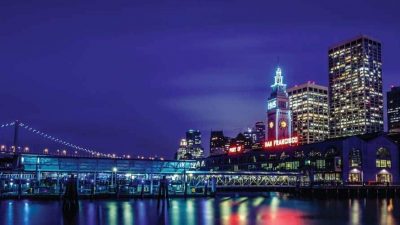
Hosted at Public Works, the San Francisco event takes place Saturday, November 14, with the listed start time at 9:00 PM PST. As Chapter 2 of a five-part series, this installment offers a distinct look at the 1995–2000 period while continuing Moulton Music’s broader exploration of house music between 1990 and 2015. At its heart, Can We Get Connected? is an invitation to listen, dance, and consider what still connects people through house music across generations.
Venue

Public Works
161 Erie St
San Francisco, CA 94103

Upcoming Dates
20
Apr
10:00 am – 05:00 pm
20
Apr
12:00 am – 10:00 am
20
Apr
11:00 am – 12:00 am